When the Autumn Faded and the Winterline Took Over
When the Hill Had Its Own Applause: Mussoorie Between Autumn and Winter.
There was a time when Mussoorie didn’t need to be advertised.
It celebrated itself.
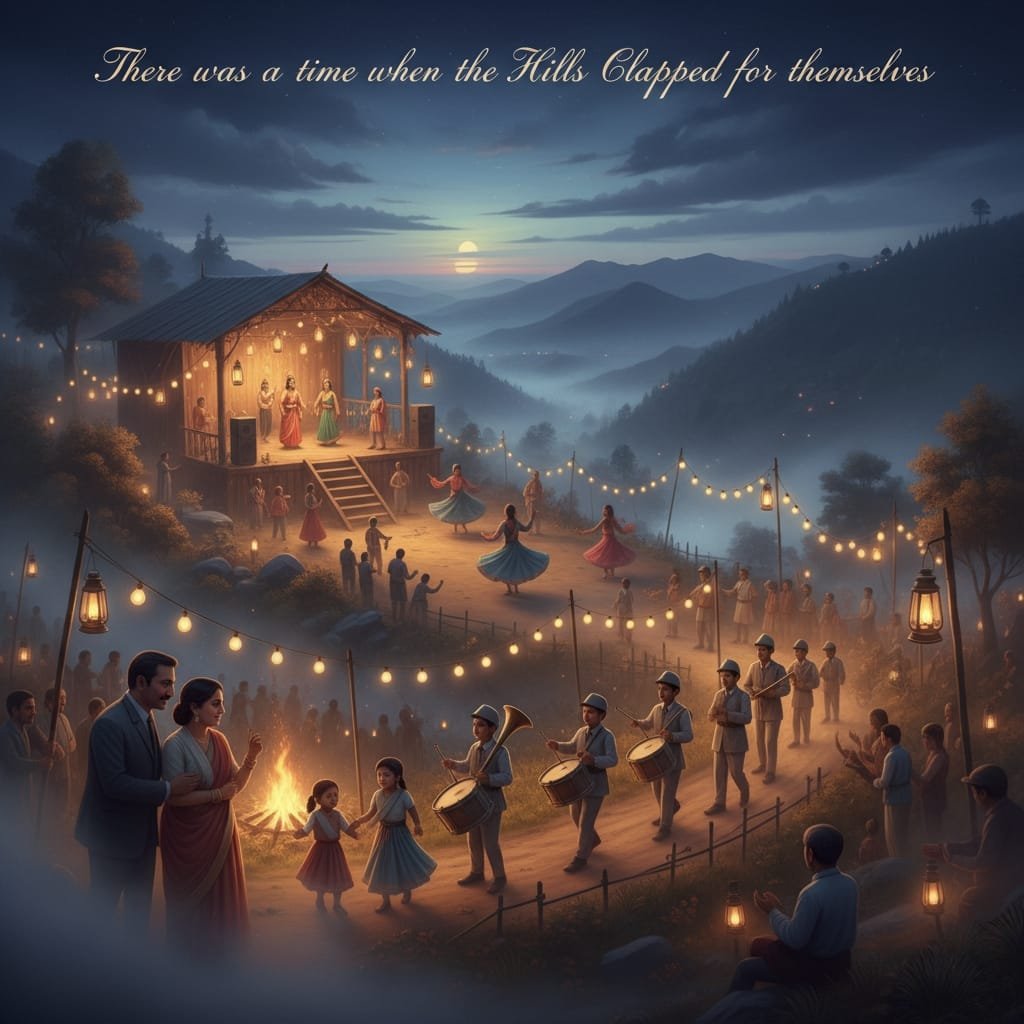
The Autumn Festival filled the bazaar with laughter, brass bands, and Garhwali songs that rose through the mist like incense.
Our parents still talk of those evenings — the Ramlila at Mal Devta, the circus tent near Picture Palace, and the daredevil bikers who rode the “Well of Death” till midnight while children cheered with popcorn in hand.
Those weren’t “events.”
They were encounters with wonder.
When the Hills Were a Carnival
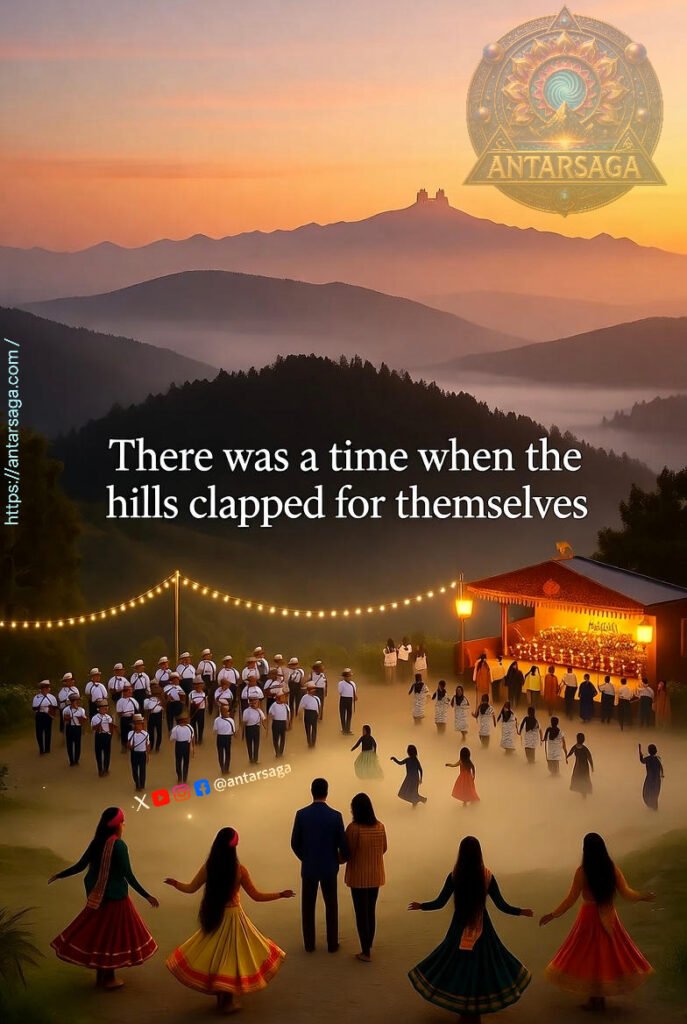
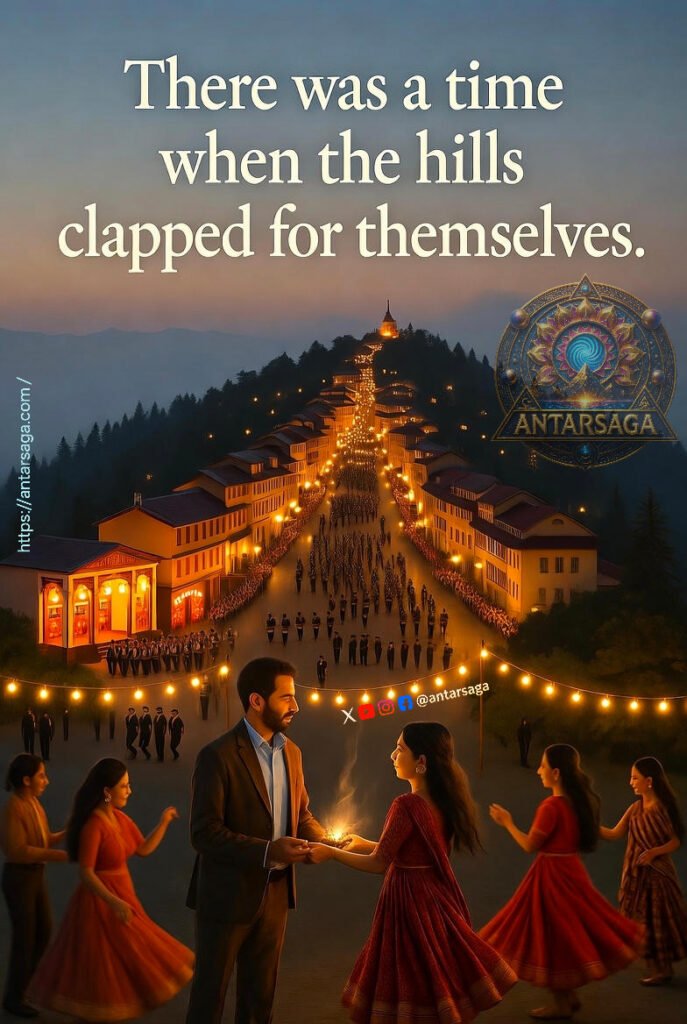
In those days, Mussoorie didn’t host a festival — it became one.
Ten full days of colour, community, and chaos in perfect proportion.
Local schools built tableaux, military bands played hill tunes, artisans sold pine toys, and the town came alive with the smell of roasted corn and kerosene lamps.
The festival wasn’t for tourists. It was for togetherness.
And the best part? Nobody called it “heritage.” It just was.
Then Came the Age of Optics
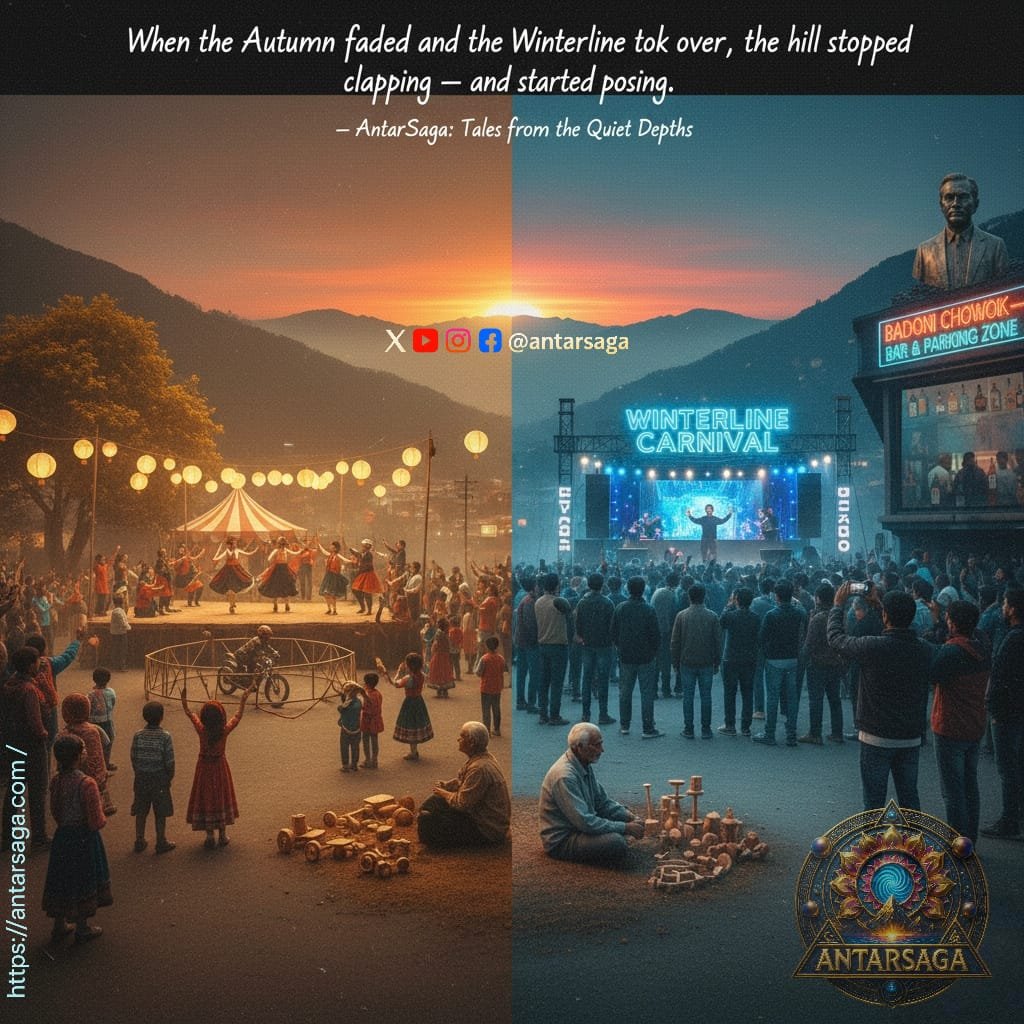
By the early 2000s, the Autumn Festival had quietly died —
first to bureaucracy, then to funding irregularities, then to forgetfulness.
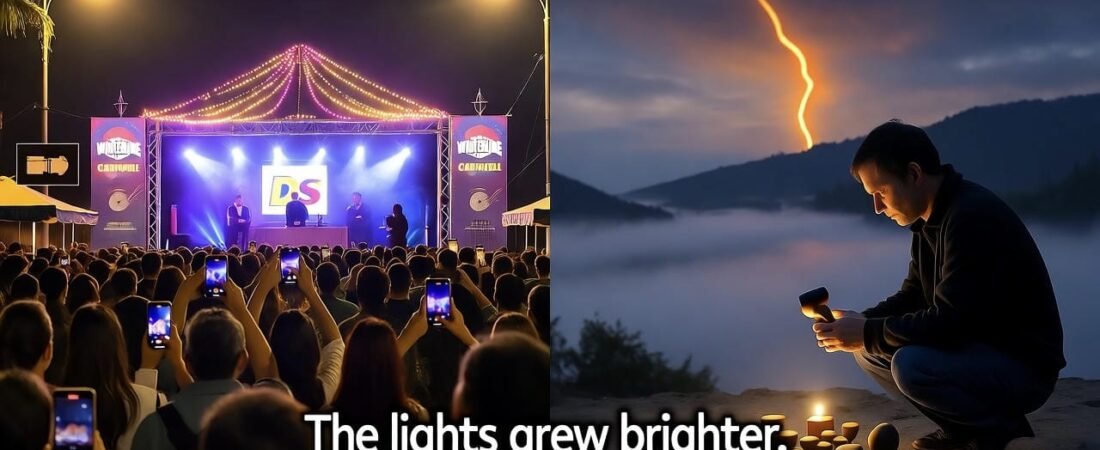
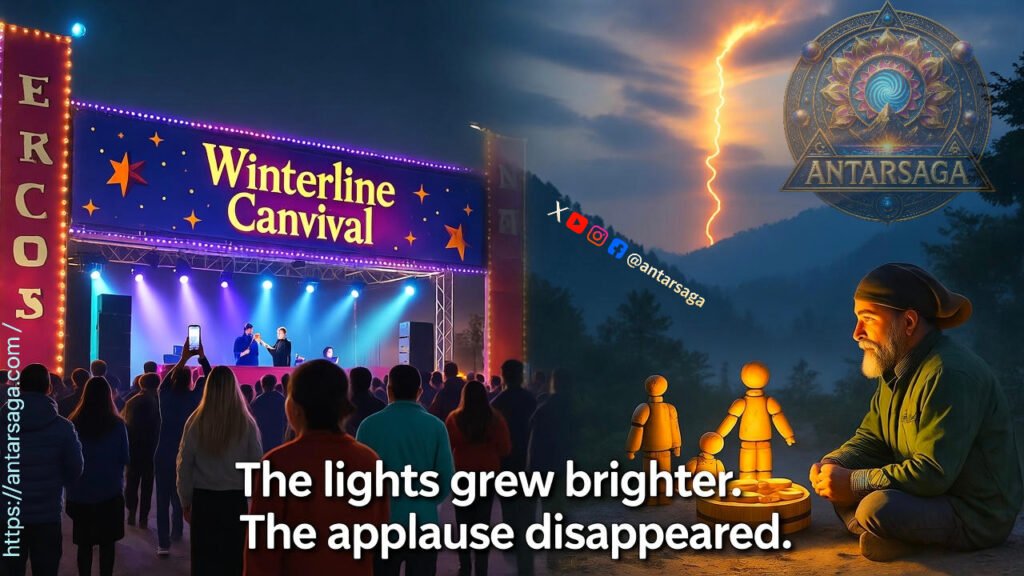
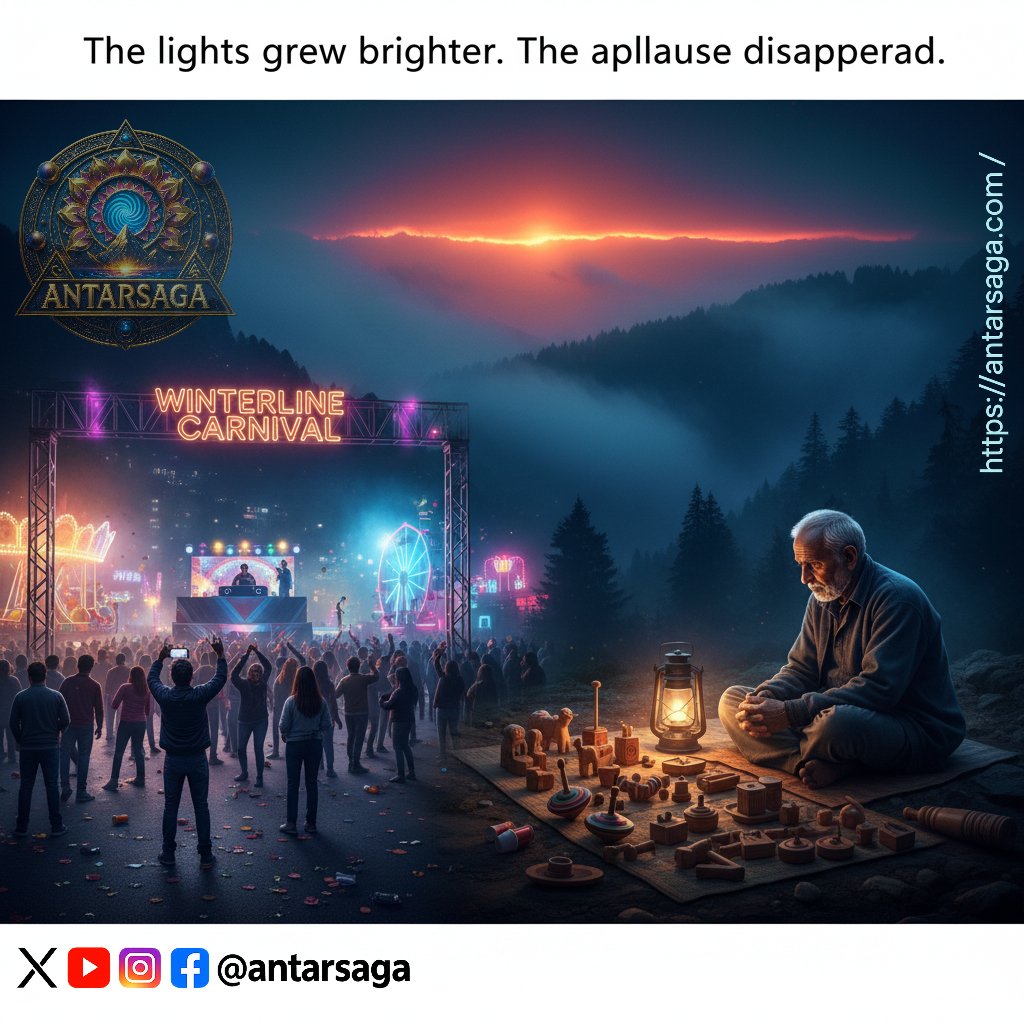
In its place rose the Winterline Carnival — a five-day spectacle of light, sound, and branding.
The Winterline itself — that rare streak of orange dusk above Mussoorie — became the town’s new poster child.
But somewhere between the drone shots and the LED stage,
the soul dimmed.
Festivals that once sang for the people began performing for the lens.
The Golden Years — When Leadership Had Balance
To be fair, there was a time when the Winterline Carnival truly sparkled with substance.
During Manmohan Singh Malla’s tenure as Palika President, the festival found a rare rhythm — balancing glamour with grassroots grace.
Local artisans, folk dancers, and school troupes shared the same stage as visiting celebrities.
There were musical nights that made the ridge sway, comedy shows that filled the Mall with laughter, and folk performances that reminded everyone what this hill sounded like before microphones.
There were no funding excuses then.
The Palika had autonomy, the administration cooperated, and the vision was inclusive.
Malla didn’t just host a carnival — he curated belonging.
It was under him that the Winterline truly shimmered — not as a light show, but as a shared emotion.
Today, that balance is gone — replaced by committees, sponsors, and crowd control.
The Debate of the Day
So when the recent planning meeting for the 2025 Carnival turned into a verbal avalanche,
it wasn’t just about one argument — it was about years of accumulated silence.
Folk artist Anil Godiyal, one of Mussoorie’s few remaining cultural custodians, stood up and said what most only whisper in tea stalls:
“Only select people are invited to these meetings. The ones who built Mussoorie’s culture aren’t even on the guest list.”
His words struck the room like thunder rolling through mist.
Soon, a sharp exchange erupted between him and the Traders’ Association President.
The SDM, trying to steady the storm, urged everyone to maintain “decorum.”
But in truth, decorum often enters only after participation leaves.
Godiyal’s plea wasn’t for attention — it was for authenticity.
He wasn’t asking for a bigger stage, only a fairer room.
And in that moment, his question cut deeper than any speech:
If a festival celebrates Mussoorie, why isn’t Mussoorie in the conversation?
Dedicated to Badoni — But Disconnected from His Spirit
This year, the carnival is being dedicated to “Pahadi Gandhi” Indramani Badoni,
the man who gave Uttarakhand its moral compass — and its cultural spine.
A noble gesture, yes. But let’s not mistake symbolism for sincerity.
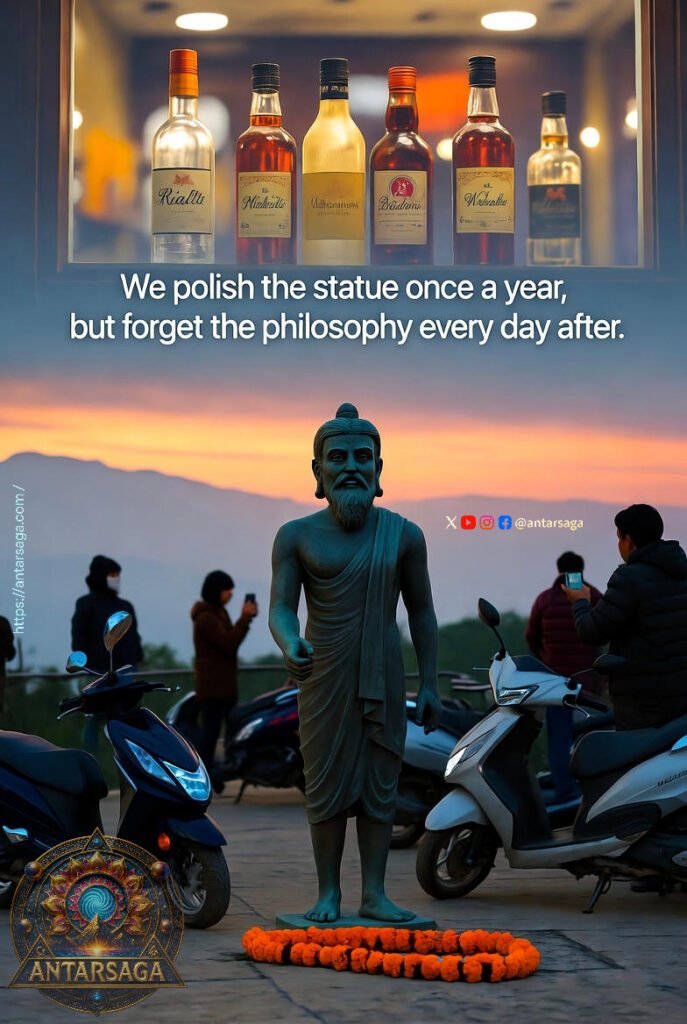
Walk past Badoni Chowk near Rialto on any ordinary evening,
and the irony hits you like a horn blast.
The statue stands stoic amid scooters, litter, and neon bar signs.
The only day it looks remotely dignified is when someone remembers to sweep around it for a photo op.
If Badoni ji could see his surroundings today, he might smile wryly and say,
“This isn’t Lok Swaraj, my friend. This is Lok Showroom.”
If we can’t keep his memory clean, at least keep the satire honest.
Call it what it’s become —
“Badoni Bar & Parking Zone.”
At least then, truth and title would finally agree.
Because what good is a statue we polish for one day and ignore for 364?
We’ve turned reverence into ritual and forgotten that respect is a daily act, not a decorative one.
Badoni fought for voice, not velvet banners.
And yet today, the loudest noise around him comes from the pubs above.
If that’s not irony, it’s choreography.
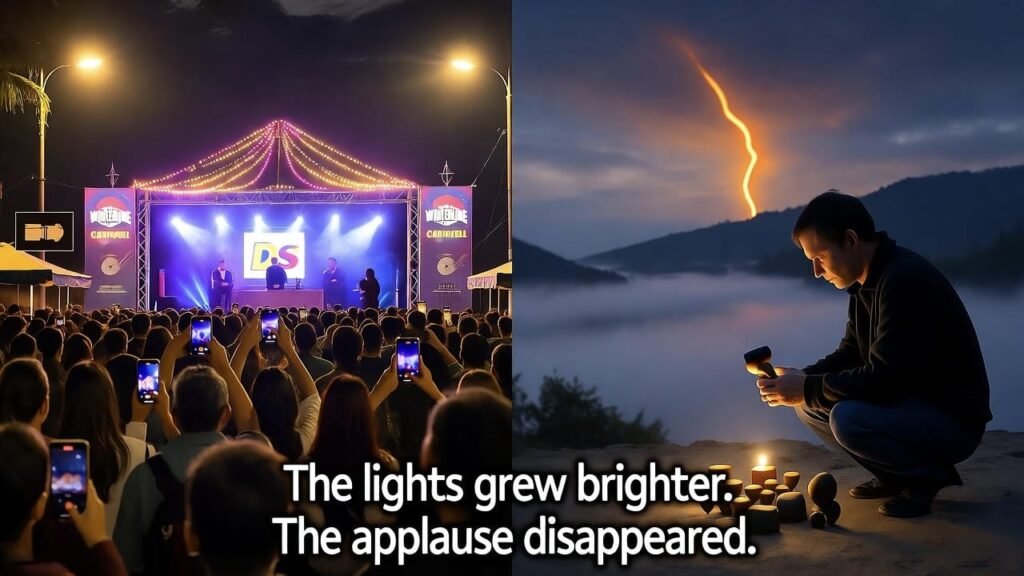
The Lost Middle — Between Locals and Tourists
The tragedy of Mussoorie isn’t that it changed — it’s that it forgot how to balance.
The carnival committees chase tourists;
the locals chase memory;
and the hills, tired of both, watch silently from the deodar shadows.
But the solution isn’t to pick a side — it’s to rebuild the middle.
Mussoorie can — and must — do both.
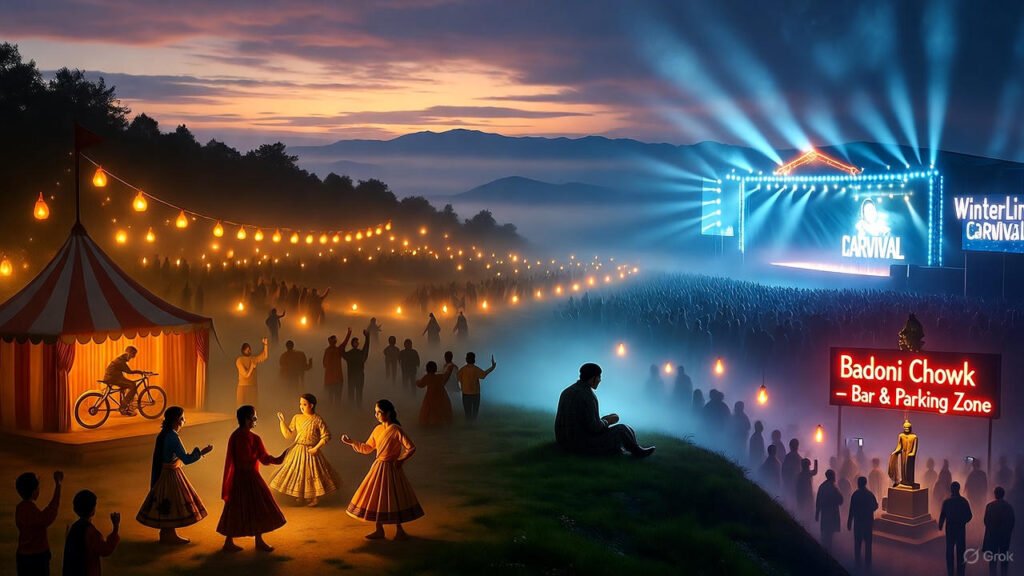
Imagine a 10-day festival reborn from its own echoes:
five days of Winterline dazzle for visitors,
five days of Autumn grace for locals —
folk theatre, Garhwali songs, school bands, Ramlilas, and laughter that doesn’t need sponsors.
A festival where tourists take pictures,
but locals take pride.
A Plea for Balance
The truth is, Mussoorie hasn’t lost its culture —
only its connection to it.
The artisans still exist.
The hills still hum.
The people still remember.
Let the Winterline Carnival shine for the world,
but let it also breathe for its people.
Because when the last light fades,
and the mist settles over Mall Road,
the only question that will echo through these hills is:
“Who is this festival really for — the visitors, or the voices that built it?”
Rajat Aikant Sharma is a writer and photojournalist exploring culture, history, and
human stories. Beyond print, he creates digital content, posters, and social campaigns
that extend his editorial voice into the world of influencer engagement and brand
storytelling.